Sewage Cleanup Stockbridge, GA: Safe Removal of Category 3 Backups
Sewage coming up through a toilet, tub, or floor drain? Stay out of the area, keep kids and pets away, and call (470) 821-0095. Emergency calls are answered right away, and a crew can start containing and removing the contamination.
Or tell us what happened
Send the details and we will get back to you fast. For sewage, call now instead of waiting.
Request received
Thanks. We will call you back shortly. If water is still coming in, call (470) 821-0095 right now.
Response
Sewage Cleanup in Stockbridge, Done Right
Containment, extraction, disinfection and drying of Category 3 sewage backups in Stockbridge, GA.
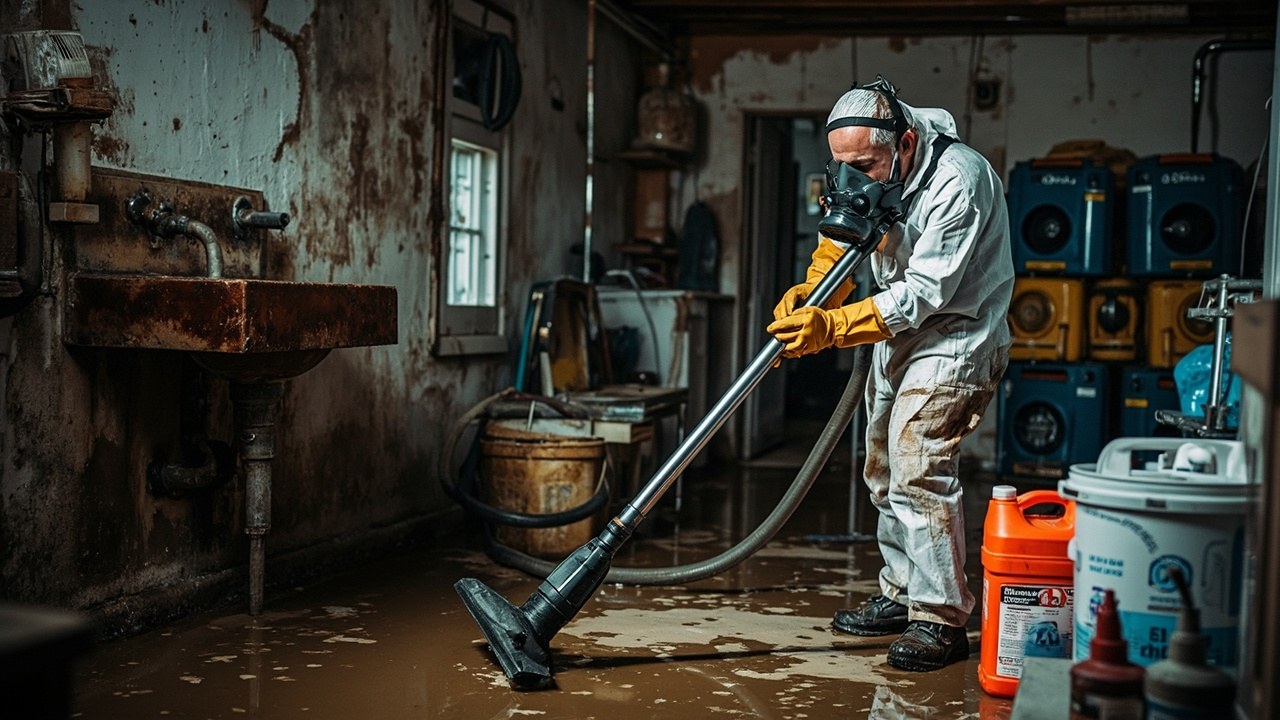
If sewage is backing up in your home, you need sewage cleanup Stockbridge GA property owners can call at any hour, not a mop and a bottle of bleach. Sewage is Category 3 water, the most contaminated class in the ANSI/IICRC S500 standard, and it can carry bacteria, viruses, and parasites. It soaks into drywall, carpet, and insulation faster than most people expect, so what you see on the floor is only part of the problem. Our crew contains the area, removes the contaminated water and ruined materials, disinfects what stays, and dries the structure so it’s safe to live in again.
While you wait for us, stop using sinks, tubs, toilets, washers, and dishwashers, because every gallon you run can add to the backup. Keep people and pets out of the affected area, don’t try to vacuum or mop it up, and photograph the damage before anything is moved.
Sewage Backup Cleanup Stockbridge Homeowners Should Never Do Alone
Not every wet floor is a health hazard, but sewage is. The restoration industry sorts water into three categories, and sewage is Category 3, often called black water. The name isn’t about color. Black water is defined by what’s in it: untreated waste, bacteria such as E. coli, viruses, and parasites. Water that comes up past a toilet trap or backs up from a drain is treated as Category 3 from the start.
| Category | What it is | Examples |
|---|---|---|
| Category 1 | Clean water | Broken supply line, overflowing sink |
| Category 2 | Gray water | Washing machine or dishwasher discharge |
| Category 3 | Black water, grossly contaminated | Sewage backups, rising storm water |
Black water cleanup is a different job from ordinary water removal. The goal isn’t only to get the water out. It’s to take out everything the contamination touched and prove the space is safe afterward.
Here is why a mop and bleach don’t work:
- Porous materials hold contamination. Carpet, pad, drywall, insulation, and upholstered furniture soak up bacteria that surface cleaning can’t reach.
- Household tools spread it. Household vacuums aren’t made for wet pickup, and scrubbing or splashing moves contamination into clean areas.
- Disinfectant has limits. It works on surfaces already cleaned of waste. It can’t fix soaked drywall or carpet pad.
- Exposure is a health risk. Children, older adults, pregnant women, and anyone with asthma or a weakened immune system are most at risk.
Emergency Sewage Backup Cleanup, Step by Step
We follow Category 3 procedures under ANSI/IICRC S500 on every sewage job.
Containment and Safety Setup
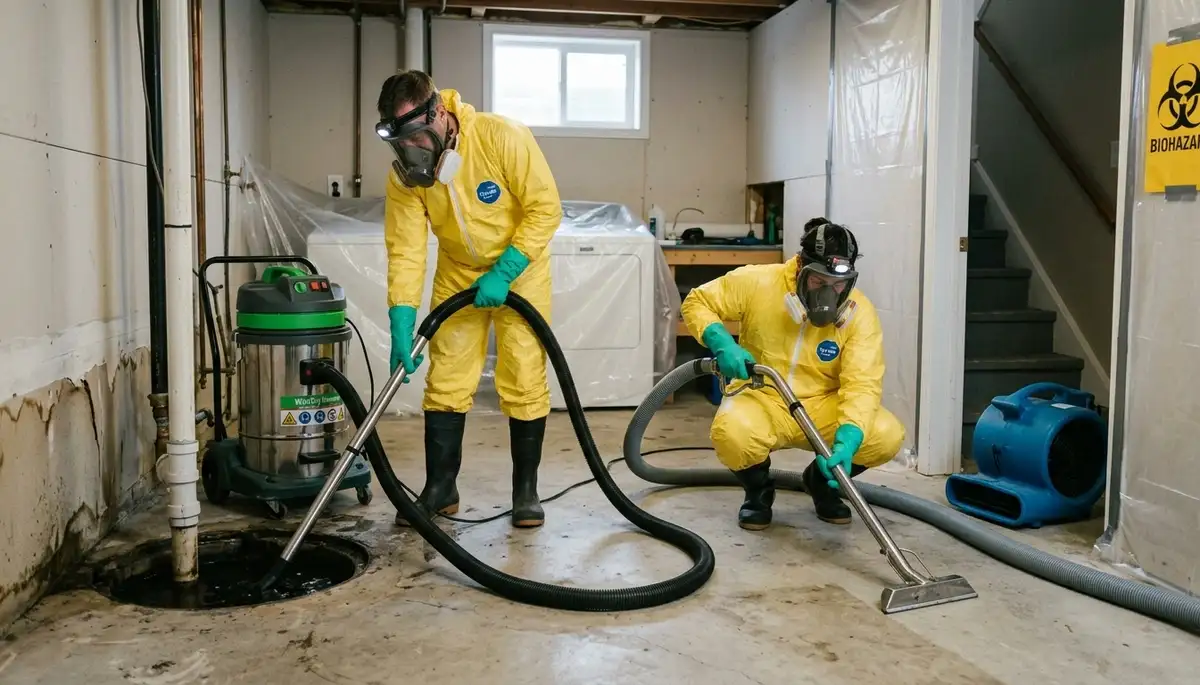
Technicians put on protective equipment and seal off the work area with barriers, so contamination doesn’t travel on shoes, equipment, or airflow. When needed, we isolate or shut down the HVAC air handler serving the affected area so it doesn’t spread anything through the house.
Removing the Contaminated Water
Submersible pumps and extractors take the sewage out first, working from the lowest point outward. The contaminated water is handled so it never reaches clean parts of the property.
Black Water Cleanup: Removing What Can’t Be Saved
Porous materials that touched sewage, including carpet, pad, drywall, insulation, and soft furnishings, are typically cut out and bagged for disposal, because there is no reliable way to make them safe. Hard, nonporous surfaces like tile and sealed concrete can usually be cleaned and kept. We photograph and list what comes out, so you have a record.
Cleaning, Disinfection, and Odor Control
Remaining surfaces are cleaned first, because disinfectant can’t work through dirt, then treated with EPA-registered antimicrobial products. Odor is removed at the source, since air fresheners only mask it. HEPA air scrubbers may run during the work to filter airborne particles.
Structural Drying and Final Check
Air movers and dehumidifiers dry the subfloor, wall cavities, and framing. Typical drying runs about three to five days, and severe cases take longer. Moisture meters and thermal imaging confirm the structure is dry before we close out the job. Once it’s clean and dry, we repair or replace what had to come out.
Raw Sewage Cleanup Stockbridge Properties Need: Protection, Containment, and Disposal
A sewage job is only as safe as the gear and the discipline behind it. This is what each piece of equipment does.
| What we use | Why it matters |
|---|---|
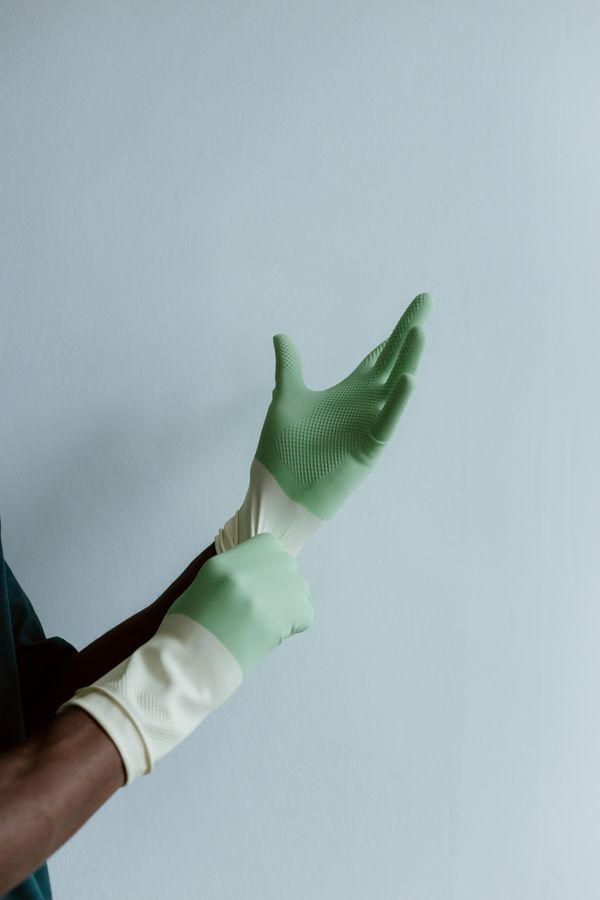
| Protective suits, gloves, boots, and face protection | Protects the crew and keeps contamination from leaving the site on clothing |
| Containment barriers | Keeps the work zone sealed off from clean rooms |
| Submersible pumps and extractors | Remove contaminated water fast |
| EPA-registered antimicrobial treatments | Disinfect surfaces after they have been cleaned |
| HEPA air scrubbers | Filter airborne particles during the work |
| Moisture meters and thermal imaging | Prove the structure is dry |
| Sealed bags and containers | Move contaminated materials out safely |
Contaminated materials are bagged and removed in line with local disposal rules, so you don’t have to figure out where they go.
What Causes Sewage Backups in Stockbridge Homes
Sewage goes where gravity sends it: to the lowest drain in the house. That is usually a floor drain, tub, shower, or a toilet on the lowest level.
Toilet Overflow Cleanup: Clean Water or Sewage?
Not every overflow is Category 3. If the water came from the supply side, like a stuck fill valve, it is usually clean. If it came from the drain side or contains waste, treat it as sewage. Our toilet overflow cleanup starts by identifying which one you have, because that decides whether carpet and drywall can be dried or must come out. Not sure? Call us.
Category 3 Water Damage Spreads Behind Walls and Under Floors
Category 3 water damage doesn’t stay where it lands. It wicks up drywall, runs under baseboards, and soaks into subfloors, so the damage you can see is smaller than the damage you have.
The most common causes are:
- A blocked or collapsed main line from roots, grease, or wipes
- A damaged private sewer lateral between your house and the public main
- A public sewer main overloaded during heavy rain, which can push wastewater back toward the lowest drains in a home
- A failed septic system
- A clogged toilet or drain
Call now, we answer 24/7
Every minute counts with water damage. Our Stockbridge crew is ready to roll.
Call (470) 821-0095Who to Call After a Sewage Backup: the Sewer Utility, a Plumber, or Us
After a backup, up to three different people may be involved. Here is how it usually splits.
| Situation | Who to call first |
|---|---|
| Several homes affected, sewage in the street, or a manhole overflowing | The sewer utility. In Henry County, that is the Henry County Water Authority if you are on its sewer system (verify before publishing) |
| Only your home is affected, with slow drains before the backup | A plumber, to check your private sewer lateral |
| You are on a septic system | A septic service or plumber |
| Contamination inside the home | Us, as soon as it is safe |
The line serving your home is generally the owner’s responsibility, and the public main belongs to the utility. A plumber or the utility can tell you where the problem sits. Don’t wait for that answer to start cleanup, because sewage sitting in your home keeps spreading. Once the source is handled, call us for the raw sewage cleanup Stockbridge properties need, or call us first and we’ll help you sort out the order.
How Long Sewage Cleanup Takes
Most sewage jobs take several days from the first call to the end of drying, depending on how much water there is and how far it spread. Pumping and removal usually happen in the first visit, drying adds about three to five days, and repairs come after the structure is dry.
| Phase | Typical time |
|---|---|
| Containment and removal | Hours to about a day |
| Cleaning and disinfection | About a day |
| Drying and verification | About 3 to 5 days, longer if severe |
| Repairs | Depends on scope |
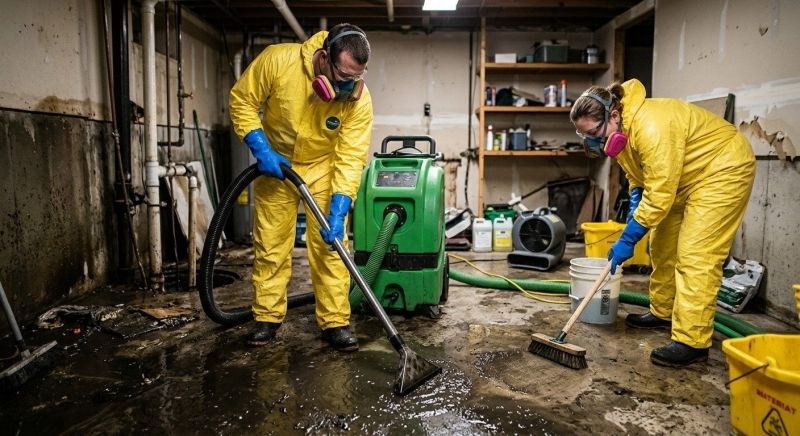
Real equipment. Real results.
We bring truck-mounted extraction, commercial dehumidifiers, and HEPA air scrubbers to every job. No shortcuts, no surprises.
Call (470) 821-0095Sewage Backups and Your Insurance
Call (470) 821-0095 and we’ll walk you through what to document and what to expect.
While You Wait for Help: What Helps and What Makes It Worse
| Do this | Not this |
|---|---|
| Stop using water fixtures | Run the washing machine or flush “just once more” |
| Keep kids and pets out of the area | Walk through it, even in boots, then into clean rooms |
| Turn off power to wet areas only if you can do it safely | Run fans or HVAC through the area, which can spread particles |
| Photograph the damage before moving anything | Use a household vacuum |
| Call us | Mix bleach with ammonia or other cleaners |
Sewage Cleanup for Homes, Apartments, and Commercial Properties
We respond to houses, apartments, restaurants, offices, and retail spaces. Property managers can call the same number for priority response, with written documentation for each job.
Sewage Cleanup FAQs
Is a sewage backup an emergency?
Yes. Sewage can carry bacteria, viruses, and parasites, and it soaks into porous materials fast. Stop using water in the house, keep people and pets out of the area, and call (470) 821-0095.
Can I clean up sewage myself?
We don’t recommend it. Sewage is Category 3 water, and household tools can’t remove what soaks into carpet, pad, drywall, and insulation. Cleaning it yourself risks contact with pathogens and spreading contamination to clean areas. If you have already been exposed, wash with soap and clean water, and talk to a doctor if you feel ill.
Is it safe to stay in the house after a sewage backup?
Stay out of the affected rooms. If the backup is limited to one area that can be sealed off, you may be able to stay in the unaffected parts of the home. Children, older adults, pregnant women, and anyone with asthma or a weakened immune system should leave until it is cleaned. Call us and we’ll tell you what is safe for your situation.
What gets thrown away after a sewage backup?
Porous materials that touched sewage are typically removed: carpet and pad, drywall, insulation, and soft furnishings like mattresses and upholstered furniture. Hard, nonporous surfaces like tile and sealed concrete can usually be cleaned and disinfected. We photograph and list what is removed.
Does bleach clean up sewage?
Bleach alone isn’t enough. Disinfectant only works on surfaces that have been cleaned of waste, and it can’t reach contamination that has soaked into porous materials. Never mix bleach with ammonia or other cleaners, because that can create toxic fumes.
How long does the smell last?
The odor goes away when its source is removed: contaminated materials, residue, and moisture. Air fresheners only mask it. If a smell lingers after cleaning and drying, there may be hidden contamination, and we recheck with moisture meters.
Who is responsible for a sewer backup, the city or me?
It depends on where the blockage or break is. The private lateral serving your home is generally the property owner’s responsibility, and the public main belongs to the utility. A plumber or the utility can tell you which. Contamination inside your home needs cleanup right away either way.
Does insurance cover sewage cleanup?
Call (470) 821-0095 and we’ll walk you through what to document.
Sewage Won't Wait. Call Now.
Sewage backup cleanup Stockbridge residents can start today: call (470) 821-0095. Emergency calls are answered right away.